
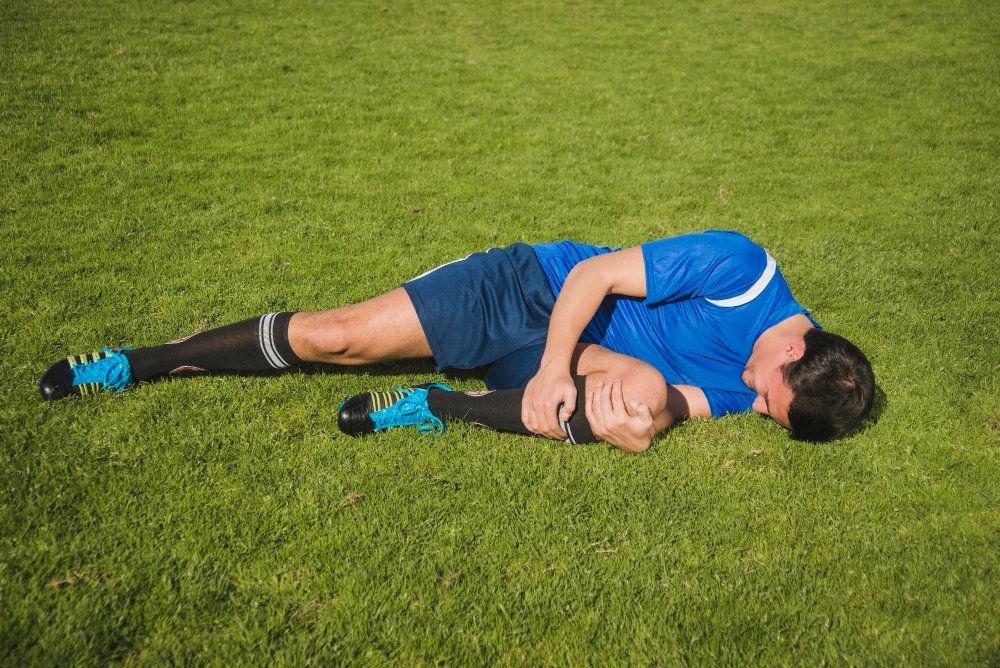
Can a Chiropractor Help with ACL Injury?
Yes. Chiropractic care can help with ACL injury by addressing knee pain, stiffness, restricted movement, and muscle-related problems during recovery. It cannot repair a torn ACL, but it may help improve comfort and knee function through appropriate chiropractic care and strengthening exercises. Can a chiropractor help with ACL injury also depends on the type of ACL damage, current knee stability, and whether conservative treatment or surgery is needed.
What Is an ACL Injury?
The anterior cruciate ligament, or ACL, is one of the key stabilizing ligaments of the knee. It helps control forward movement of the tibia and limits excessive rotational movement at the joint. Because of this role, the ACL is particularly vulnerable during sudden changes in direction, pivoting, awkward landings, and other movements that place rotational force on the knee.
An ACL injury can involve stretching of the ligament, a partial tear, or a complete ACL tear. The extent of damage matters because the ACL may continue to provide some stability when part of the ligament remains intact. As the injury becomes more severe, the knee may lose more of the ligament support needed to control certain movements.
ACL Types of Injury
The main ACL types of injury include an ACL sprain, a partial ACL tear, and a complete ACL tear. These injuries represent different degrees of damage to the ligament. The condition of the ACL can vary from stretched fibers to partial disruption or a full rupture. A partial injury may leave some of the ligament intact, while a complete tear results in a loss of continuity of the ligament. This difference can influence how much mechanical stability the ACL is still able to provide to the knee.
ACL Sprain
An ACL sprain occurs when the ligament is stretched beyond its normal range. In a mild injury, the ACL may remain structurally intact with limited fiber damage. More significant sprains can involve microscopic or partial fiber injury without a complete rupture.
The severity of an ACL injury sprain is not determined by the word sprain alone. Ligament sprains can involve different degrees of stretching and tissue damage. A more significant injury may reduce the ligament’s ability to control knee movement, even when the ACL has not been completely torn.
From a clinical standpoint, an ACL sprain falls at the less severe end of the injury spectrum when compared with a partial or complete tear. The amount of tissue damage and the stability that remains in the knee can differ between individuals.
Partial ACL Tear
A partial ACL tear means that a portion of the ligament fibers has been disrupted while some fibers remain intact. The amount of remaining functional tissue can vary significantly. A small partial tear and a larger partial tear may both receive the same description despite affecting different portions of the ligament.
The remaining fibers may still provide some mechanical support to the knee. However, their ability to stabilize the joint depends on how much of the ligament remains functional and how the injury affects the overall structure of the ACL. Partial tears can therefore present differently from one person to another. Some knees retain relatively good stability, while others may have difficulty controlling movements that place rotational stress on the joint.
Complete ACL Tear
A complete ACL tear occurs when the ligament is fully ruptured. The ACL can no longer function as an intact stabilizing structure between the femur and tibia. This can reduce the knee’s ability to control movements involving pivoting, cutting, or sudden directional changes.
A complete tear does not necessarily produce the same level of functional limitation in every person. Daily activities may be manageable for some individuals, while movements that require rapid direction changes can place greater demands on knee stability. The loss of an intact ACL can also affect how the knee responds to repeated twisting or pivoting forces. This is why the degree of ligament damage is an important consideration when evaluating an ACL injury.
ACL Injury Symptoms
ACL injuries can produce several recognizable symptoms, particularly when the ligament is suddenly stretched or torn. The symptoms may begin immediately after the injury or become more noticeable as swelling develops and the knee is used. Some people experience several symptoms at once, while others may mainly notice pain, swelling, or a feeling that the knee cannot be trusted during certain movements.
The following signs are commonly associated with an ACL injury.
Knee Pain
Knee pain is common after an ACL injury, especially in the first few hours or days. The pain may occur immediately when the injury happens, particularly after a twisting movement, awkward landing, or sudden change in direction. Putting weight on the leg can also be uncomfortable at first.
The intensity of pain does not always reflect how severe the ligament damage is. A person with a complete ACL tear may initially experience severe pain, while another person may notice that the sharp pain settles relatively quickly. As the immediate pain improves, the more noticeable problem may become knee instability during movement.
Pain can also occur because the forces that injured the ACL may have irritated or damaged other structures around the knee. For that reason, knee pain alone cannot confirm an ACL injury.
Rapid Knee Swelling
Rapid swelling is one of the more common signs of an acute ACL injury. The knee may begin to swell within a few hours after the injury rather than gradually over several days.
This can happen when bleeding occurs inside the knee joint after the ligament is damaged. The buildup of fluid can make the knee feel tight and stiff, and bending or straightening the leg may become more difficult.
A swollen knee does not automatically mean the ACL has been torn. Other knee injuries can also cause swelling. However, when swelling develops quickly after a twisting injury, sudden stop, or awkward landing, an ACL injury is one possible cause that should be properly assessed.
Popping Sensation in the Knee
Some people report hearing or feeling a distinct pop at the moment of an ACL injury. This can happen when the ligament is suddenly stretched or torn during the injury.
The sensation may be noticeable enough that the person immediately stops what they are doing. However, not everyone with an ACL tear hears a pop, and hearing one does not automatically confirm that the ACL is injured. A popping sound can also occur with other injuries involving the knee.
When a pop is followed by rapid swelling, pain, or a feeling that the knee is unstable, the combination of symptoms may raise greater concern for a significant knee injury.
Knee Instability and Buckling
Knee instability refers to a feeling that the joint is not stable or secure during movement. The knee may feel unreliable when bearing weight, turning, or changing direction. Buckling occurs when the knee suddenly gives way and briefly fails to support the body properly. This may cause an unexpected bend at the knee, requiring the person to stop moving or shift weight to the opposite leg.
Instability does not have to occur during every movement. Some individuals may walk without difficulty but experience buckling during activities that place greater demand on the knee. Repeated episodes of instability following a knee injury should be medically evaluated because they may increase the risk of falls or additional injury.
Loss of Range of Motion
An ACL injury may make it difficult to fully bend or straighten the knee. This often happens because swelling and irritation inside the joint can make movement painful and cause the knee to feel stiff.
The loss of movement may be temporary and improve as the swelling decreases. However, difficulty moving the knee can also occur when other structures have been injured at the same time. A knee that cannot be fully straightened, remains significantly swollen, or becomes increasingly difficult to move should not simply be treated as a minor sports injury.
How to Check an ACL Tear at Home?
You cannot reliably confirm an ACL tear at home. Symptoms such as a popping sensation, rapid swelling, knee pain, and instability may suggest an ACL injury, but these same signs can occur with other knee problems.
It is also not advisable to perform aggressive ACL tests on yourself or ask someone without appropriate training to force the knee through stability tests. Improper testing can cause additional pain and may aggravate an already injured knee.
A simple self-check can involve paying attention to what happened at the time of the injury and whether the knee developed rapid swelling, instability, or difficulty returning to normal movement. This information can be useful when discussing the injury with a qualified healthcare professional, but it cannot determine whether the ACL is sprained, partially torn, or completely torn.
Can a Chiropractor Help with ACL Injury?
Yes. Chiropractic care can help with an ACL injury by addressing knee pain, stiffness, restricted movement, and muscle weakness that may develop after the ligament is injured. The treatment does not repair a torn ACL, but it can be used as part of conservative care or rehabilitation to improve how the knee moves and functions while recovery is taking place.
The approach should depend on the severity of the ACL injury and the current condition of the knee. A recent injury with significant swelling requires a different approach from a knee that has moved beyond the acute stage or is recovering after surgery.
Chiropractic Care for ACL Injury Recovery
Chiropractic care can help manage the secondary problems that often persist after an ACL injury. These problems may include ongoing knee pain, stiffness, muscle guarding, and difficulty regaining comfortable movement. The focus is on improving these symptoms while the injured knee is recovering.
Pain can cause the muscles around the knee to tighten or become less active. Reduced activity can also affect normal walking and weight-bearing. Chiropractic care may address these changes as part of a conservative treatment and rehabilitation plan.
This approach can be particularly relevant when the ACL injury does not require immediate surgery. It may also be used alongside other conservative treatments during recovery. The exact care depends on the severity of the injury and the symptoms that remain.
Chiropractic Techniques for Knee Pain and Movement
Several chiropractic techniques may be used to address the problems that develop around an ACL tear. The specific treatment depends on the stage of the injury and how the knee responds to movement.
Joint mobilization involves gentle, controlled movement of a joint. When appropriate, it may be used to address stiffness and help restore knee motion that has become limited after injury or prolonged inactivity. Treatment may also involve the hip or ankle if restricted movement in those joints is affecting how the leg moves.
Soft tissue therapy may be used when muscles around the knee become tight, tender, or guarded because of pain and reduced movement. The quadriceps, hamstrings, and calf muscles can all be affected after a knee injury. Manual soft tissue techniques may help reduce muscle tension and make movement more comfortable.
The injured ACL itself is not manipulated or “put back into place.” Treatment is directed at pain, stiffness, restricted movement, and the musculoskeletal problems that can develop around the injured knee.
Rehabilitation Exercises and Strengthening
Strengthening should begin with exercises that the knee can tolerate without causing a significant increase in pain, swelling, or buckling. The purpose is to gradually restore strength in the muscles that support the knee while improving control during normal movements.
Quadriceps sets are useful when the thigh muscles have become difficult to activate. With the leg resting straight on a firm surface, the quadriceps are tightened by gently pressing the back of the knee downward. The muscle contraction is held for several seconds before relaxing. This exercise can be performed without repeated bending of the knee.
Heel slides can be used when knee bending has become limited by stiffness. While lying on the back, the heel is slowly slid toward the body until a comfortable bend is reached. The leg is then slowly returned to the starting position. The movement should not be forced through sharp pain.
Straight leg raises strengthen the quadriceps while keeping the knee straight. The leg is lifted slowly from a lying position, held briefly, and lowered with control. If the knee repeatedly bends or drops during the movement, the exercise may be too difficult at that stage.
Glute bridges strengthen the muscles around the hips and the back of the thigh. With both feet supported on the floor and the knees bent, the hips are slowly raised and lowered. The movement should remain controlled without twisting through the knee.
As knee pain and control improve, supported mini squats may be introduced. Holding a stable surface, the knees are bent slightly before slowly returning to standing. The movement should remain shallow and controlled. Deep squatting, twisting, jumping, or rapid direction changes should not be introduced simply because basic exercises have become easier.
These exercises may be useful for ACL injury recovery, but the appropriate exercise and progression depend on the extent of the injury. Sharp pain, increasing swelling, or repeated knee buckling are signs that the exercise should be stopped and the knee reassessed.
Chiropractic Care After ACL Surgery
After ACL surgery, chiropractic care may be used to address musculoskeletal problems that develop during recovery. These problems can include persistent muscle tightness, restricted joint movement, and altered movement patterns after surgery or prolonged activity restrictions.
A chiropractor may provide manual treatment to muscles surrounding the knee when tightness or guarding contributes to discomfort. The quadriceps, hamstrings, calf, and hip muscles can receive attention when clinically appropriate. Treatment may also address restricted movement in the hip or ankle that developed during recovery.
Chiropractic care may additionally help address movement changes that persist after the knee has progressed through rehabilitation. For example, some patients continue to shift weight away from the operated leg. Others may develop compensatory movement patterns involving the opposite leg, hip, or lower back.
The chiropractic role after ACL surgery is therefore broader than treating the surgical knee alone. Once cleared for appropriate care, treatment may address the musculoskeletal effects that remain during recovery. Any treatment must still remain consistent with the surgeon’s postoperative recommendations.
How to Prevent ACL Injury
ACL injury prevention focuses on reducing the forces that can place excessive stress on the knee. Prevention programs usually target strength, movement control, balance, and landing mechanics. These factors are especially important during activities involving jumping, pivoting, or sudden changes in direction.
Strengthening the quadriceps and hamstrings can improve muscular support around the knee. The hamstrings are particularly important because they help control forward movement of the tibia. Strengthening should also include the gluteal and hip muscles, which contribute to leg control during weight-bearing movements.
Improving landing mechanics can also reduce unnecessary stress on the knee. The knee should remain controlled during landing rather than collapsing inward. Learning to land with controlled hip and knee movement can be particularly relevant for activities involving repeated jumping.
Balance and neuromuscular training may help improve how the body responds to sudden movement. Exercises that challenge single-leg control can train the muscles to stabilize the leg during changing positions.
Fatigue can also affect movement control. Continuing high-demand activity when coordination and muscle control have significantly declined may increase injury risk. Adequate rest and gradual training progression can help avoid sudden increases in physical demands.
ACL injury prevention is most effective when these elements are practiced consistently. Strength alone is not enough when poor landing, cutting, or movement mechanics continue placing excessive stress on the knee.
Chiropractor for ACL Injuries at Ashburn Village Chiropractic
Persistent knee pain or limited movement after an ACL injury should not be ignored. At Ashburn Village Chiropractic, Dr. Jonathan Solomon provides chiropractic care for patients experiencing knee pain and musculoskeletal problems affecting the knee.
An evaluation can help determine whether chiropractic care may be appropriate for the current condition. Ashburn Village Chiropractic also has an in house X-ray machine, allowing X-rays to be taken at the practice when clinically appropriate. This can assist with evaluating certain bone and joint concerns without requiring a separate imaging location.
For patients dealing with ongoing knee discomfort or movement limitations, scheduling an appointment with Dr. Jonathan Solomon provides an opportunity to discuss the condition and available chiropractic care options. If chiropractic care is not appropriate, further evaluation may be necessary.
Ashburn Village Chiropractic is conveniently accessible for patients from Brambleton, Sterling, Leesburg, Lansdowne, Dulles, Reston, Great Falls, Herndon, and South Riding.
Get a summary of this article with your favorite AI: