
Can a Chiropractor Help With Meralgia Paresthetica?
Meralgia paresthetica can cause persistent burning, tingling, and numbness across the outer thigh, making everyday activities uncomfortable. Understanding can a chiropractor help with meralgia paresthetica requires looking beyond symptom relief to the cause of nerve compression and the role of conservative care. Discover how the condition is diagnosed, which exercises may help, what aggravates symptoms, and when chiropractic care may be appropriate. Knowing these factors can help you avoid unsuitable treatments and make more informed decisions about managing your symptoms.
What Is Meralgia Paresthetica?
Meralgia paresthetica is a peripheral nerve condition that causes burning, tingling, numbness, or altered sensation along the outer thigh. It occurs when the lateral femoral cutaneous nerve becomes compressed or irritated near the hip or groin. This nerve provides sensory innervation to the skin of the outer thigh. Unlike conditions affecting motor nerves, meralgia paresthetica usually does not cause muscle weakness.
Symptoms may become more noticeable during prolonged standing or walking. Tight clothing, restrictive belts, pressure around the waist, and certain hip positions can contribute to compression of the nerve. The nerve’s anatomical course near the hip and groin helps explain why symptoms typically affect the outer thigh.
Which Nerve Is Affected by Meralgia Paresthetica?
Meralgia paresthetica affects the lateral femoral cutaneous nerve, which provides sensation to the skin of the outer thigh. This nerve arises from the lumbar plexus, a network of nerves formed by branches of the lumbar spinal nerves. It passes through the pelvis and runs near the front of the hip, usually passing beneath the inguinal ligament or near its attachment.
The inguinal ligament is a band of connective tissue extending from the front of the pelvis to the pubic bone. The lateral femoral cutaneous nerve passes close to this ligament, making it susceptible to compression around the hip and groin. Compression can interfere with normal sensory function and produce burning, tingling, or numbness across the outer thigh.
The lateral femoral cutaneous nerve is exclusively sensory. It does not control the muscles responsible for moving the hip, knee, or leg. Therefore, meralgia paresthetica typically affects skin sensation without directly causing muscle weakness.
What Are the Symptoms of Meralgia Paresthetica?
Meralgia paresthetica causes abnormal sensations across the outer thigh, usually on one side of the body. Symptoms range from mild tingling to persistent burning pain, depending on the degree of nerve compression or irritation.
Common symptoms of Meralgia Paresthetica include:
- Burning pain: A burning sensation across the outer thigh that can become uncomfortable during everyday activities.
- Numbness: Reduced or absent sensation in a specific area of the outer thigh.
- Tingling: Pins and needles or prickling sensations across the affected skin.
- Increased skin sensitivity: Light touch or clothing against the outer thigh may cause discomfort.
- Aching or sharp pain: Some people experience a dull ache or occasional sharp sensations in the affected area.
Symptoms may worsen after prolonged standing, walking, or wearing tight belts and waistbands. Sitting or changing hip position may reduce discomfort in some people. However, symptom patterns vary between individuals. A key distinction is that meralgia paresthetica primarily affects sensation rather than muscle strength. Significant leg weakness, symptoms extending below the knee, or substantial lower back pain may indicate another condition. These differences can help distinguish meralgia paresthetica from other causes of thigh discomfort.
Understanding the affected nerve and its function provides the anatomical background for the question Can a Chiropractor Help With Meralgia Paresthetica. The next section can examine whether chiropractic care may help address contributing musculoskeletal factors and manage related discomfort.
What Causes Meralgia Paresthetica?
Meralgia paresthetica develops when the lateral femoral cutaneous nerve becomes compressed or irritated, usually near the front of the hip. This nerve provides sensation to the outer thigh and passes close to the inguinal ligament. Pressure in this area can cause burning pain, tingling, or numbness across the affected skin. Several factors can contribute to nerve compression:
- Tight clothing and belts: Restrictive waistbands and tight belts can place pressure on the nerve near the groin.
- Excess body weight: Increased abdominal tissue can raise pressure around the inguinal ligament.
- Pregnancy: Changes in abdominal size can increase pressure around the pelvis and groin.
- Prolonged standing: Standing for extended periods can aggravate symptoms in some people.
- Hip or pelvic injuries: Direct trauma or surgery near the nerve can cause irritation or damage.
- Diabetes: Diabetes can affect peripheral nerve health and increase susceptibility to nerve disorders.
Meralgia paresthetica often results from pressure near the hip rather than compression of a nerve root in the lower spine. Although the lateral femoral cutaneous nerve arises from the lumbar plexus, compression commonly occurs near the inguinal ligament. This explains why lower back treatment alone may not address the source of symptoms.
When considering Can a Chiropractor Help With Meralgia Paresthetica, the cause of nerve compression matters. A meralgia paresthetica chiropractor can assess hip movement, posture, and related musculoskeletal problems. Chiropractic care can improve hip mobility, reduce surrounding muscle tension, and address movement restrictions that contribute to discomfort. These benefits can support better movement and daily function. However, chiropractic adjustments do not directly release the lateral femoral cutaneous nerve from compression. Treatment should focus on the identified cause rather than automatically targeting the lower back.
How Is Meralgia Paresthetica Diagnosed?
Meralgia paresthetica is diagnosed through a clinical examination and, when necessary, additional medical investigations. The doctor evaluates sensory changes across the outer thigh and checks whether the findings indicate compression of the lateral femoral cutaneous nerve.
A pelvic compression test can help support the diagnosis. During this test, the patient lies on their unaffected side while the doctor applies pressure to the pelvis. Relief of symptoms supports meralgia paresthetica, but the result alone cannot confirm the condition.
When the diagnosis is uncertain, nerve conduction studies can assess electrical signals along the affected nerve. Electromyography (EMG) evaluates muscle electrical activity and helps investigate alternative neurological conditions, particularly nerve root disorders.
MRI or ultrasound imaging may be recommended when a structural abnormality, mass, or another cause of nerve compression is suspected. These investigations are generally unnecessary when the clinical findings clearly support meralgia paresthetica.
The diagnosis should distinguish meralgia paresthetica from other conditions before treatment begins. This prevents care from focusing on the wrong cause of the symptoms.
Can a Chiropractor Help With Meralgia Paresthetica?
Yes, chiropractic care can help manage certain movement restrictions and musculoskeletal discomfort associated with meralgia paresthetica. Its role is to improve physical function and reduce aggravating mechanical factors, not directly release the compressed lateral femoral cutaneous nerve.
The suitability of chiropractic treatment depends on the individual’s examination findings. When restricted hip mobility or surrounding muscle tension affects comfortable movement, conservative manual therapy and rehabilitation can address those specific problems. However, evidence supporting chiropractic care as a direct treatment for meralgia paresthetica remains limited.
Chiropractic Techniques for Managing Meralgia Paresthetica
Gentle hip and pelvic mobilization involves controlled joint movements to improve mobility where stiffness restricts normal movement. This approach can make walking, standing, and changing positions more comfortable when joint restrictions contribute to those difficulties.
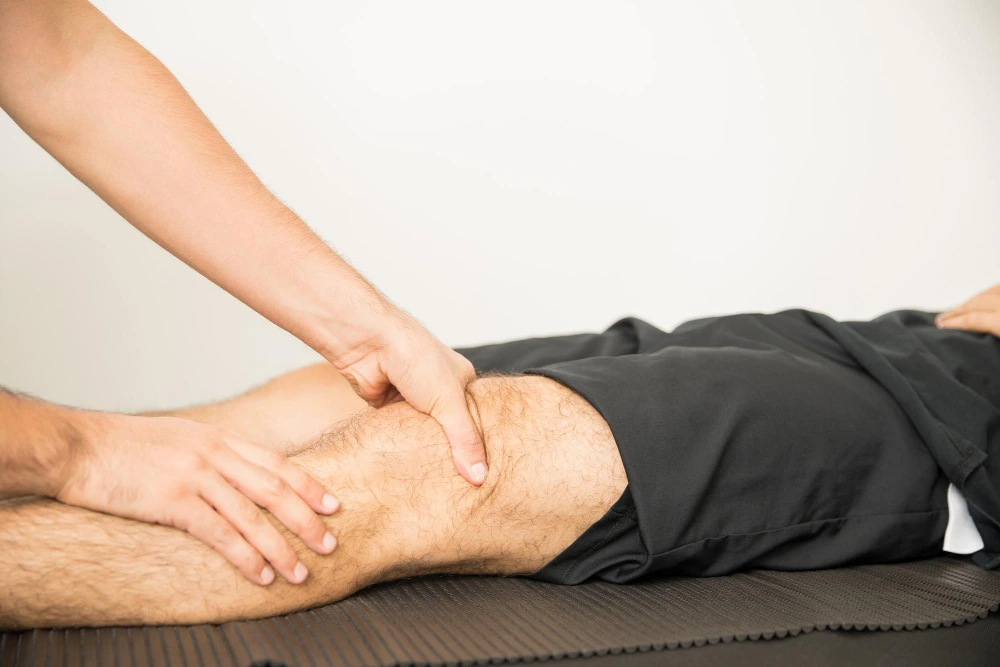
Soft tissue therapy targets surrounding muscles when excessive tension limits hip movement. The chiropractor must avoid aggressive pressure near the inguinal ligament, where the lateral femoral cutaneous nerve can become compressed.
Movement based rehabilitation uses carefully selected exercises to improve hip mobility, strength, and movement control. The exercises depend on individual limitations and should not reproduce or intensify burning, tingling, or numbness.
Activity modification helps patients reduce repeated aggravation during daily activities. A chiropractor can recommend practical adjustments to movement and positioning based on the activities that provoke symptoms.
These techniques address associated musculoskeletal problems rather than the nerve compression itself. If the nerve remains compressed, improvement in joint mobility alone will not resolve the underlying problem. Persistent symptoms may require medical treatment, including measures specifically directed at reducing nerve compression. Chiropractic care is therefore most appropriate when an assessment identifies treatable musculoskeletal limitations and confirms that manual therapy is suitable. A qualified chiropractor should explain the expected benefits, monitor symptom changes, and refer the patient for medical evaluation when necessary.
Meralgia Paresthetica Exercises
Exercises for meralgia paresthetica should improve comfortable hip movement without increasing pressure or irritation around the affected nerve. Gentle mobility exercises and controlled stretching can help maintain movement, but no specific exercise has been proven to decompress the lateral femoral cutaneous nerve.
Hip Flexor Stretch
Hip Flexor stretch targets the muscles at the front of the hip. It can help maintain hip extension when tightness restricts comfortable movement. Avoid leaning forward excessively or arching your lower back. Stop if the stretch increases burning, tingling, or numbness across the outer thigh.
- Kneel on one knee, placing the other foot flat in front.
- Keep your torso upright and gently tighten your abdominal muscles.
- Move your pelvis forward slightly until you feel a mild stretch at the front of the kneeling hip.
- Hold for 15 to 20 seconds while breathing normally.
- Return to the starting position and repeat twice on each side.
Gentle Hip Flexion and Extension
Controlled hip movements help maintain mobility without requiring forceful stretching. This exercise is useful when prolonged sitting makes the hips feel stiff. Keep the movements small and controlled. Do not force the leg backward or continue if symptoms intensify.
- Stand beside a sturdy chair or counter for balance.
- Keep your torso upright and shift your weight onto one leg.
- Slowly move the other leg forward within a comfortable range.
- Return it to the starting position, then move it gently backward.
- Complete 8 to 10 repetitions before switching sides.
Gluteal Bridge
A gluteal bridge strengthens the muscles that support hip extension and pelvic control. It can improve general hip function when weakness affects movement. Avoid lifting your hips excessively or arching your lower back. Stop if the exercise reproduces thigh burning or tingling.
- Lie on your back with your knees bent and feet flat on the floor.
- Keep your arms relaxed beside your body.
- Tighten your abdominal muscles gently and squeeze your buttocks.
- Lift your pelvis until your shoulders, hips, and knees form a comfortable alignment.
- Hold for three to five seconds, then lower slowly.
- Start with 8 repetitions and increase gradually if comfortable.
Gentle Standing Hip Abduction
Hip abduction strengthens the muscles that move the leg away from the body’s midline. These muscles contribute to pelvic stability during walking and standing. Use a small range of motion and avoid leaning your torso. The exercise should feel controlled rather than painful.
- Stand upright beside a sturdy support.
- Keep your weight on one leg and your torso straight.
- Move the other leg slowly out to the side without rotating your pelvis.
- Pause briefly, then return to the starting position.
- Perform 8 to 10 repetitions on each side.
How to Approach Meralgia Paresthetica Exercises Safely
Start with gentle movements and a small number of repetitions. Increase the intensity gradually if the exercises do not worsen meralgia paresthetica symptoms. Avoid forceful stretching or movements that place excessive pressure around the hip and groin.
Stop an exercise if it increases the burning pain, tingling, numbness, or skin sensitivity associated with meralgia paresthetica. These changes can indicate that the movement is aggravating the affected nerve. If meralgia paresthetica symptoms persist or worsen despite modifying your exercises, consult a healthcare professional. A clinical assessment can help determine which movements are appropriate and whether further treatment is necessary.
What Can Be Mistaken for Meralgia Paresthetica?
Several conditions can cause thigh pain, burning, tingling, or numbness that resembles meralgia paresthetica. The most useful way to distinguish them is to examine where symptoms occur and whether they involve muscle strength, reflexes, or the lower back.
Lumbar radiculopathy occurs when a nerve root in the lower spine becomes irritated or compressed. Unlike meralgia paresthetica, it can cause lower back pain, symptoms extending down the leg, and muscle weakness. Changes in reflexes or symptoms spreading beyond the outer thigh can also indicate spinal nerve involvement.
Femoral neuropathy affects the femoral nerve, which supplies several muscles involved in hip flexion and knee extension. People with this condition can experience thigh sensory changes and difficulty straightening the knee. Meralgia paresthetica affects a sensory nerve, so it does not directly cause this type of muscle weakness.
Hip osteoarthritis affects the hip joint and commonly causes pain around the groin, front of the thigh, or buttock. Stiffness and discomfort during walking, standing, or rotating the hip are typical features. Isolated burning or numbness across the outer thigh is more consistent with a nerve problem than arthritis alone.
Greater trochanteric pain syndrome causes pain around the outside of the hip, near the bony prominence at the top of the thigh. The area often becomes tender when pressed, and pain can worsen when lying on the affected side, climbing stairs, or walking. Unlike meralgia paresthetica, this condition primarily causes musculoskeletal pain rather than a defined patch of altered skin sensation.
Lumbar spinal stenosis involves narrowing of spaces within the spinal canal, which can compress nearby nerves. Symptoms often worsen during prolonged standing or walking and improve when sitting or bending forward. Numbness, weakness, or discomfort may affect a broader area of the leg than the outer thigh alone.
These conditions cannot always be distinguished by symptoms alone. A clinical examination can assess sensation, muscle strength, reflexes, hip movement, and spinal function. Depending on the findings, nerve conduction studies, electromyography, or imaging may be needed to identify the underlying condition. Progressive leg weakness, new difficulty walking, or changes in bladder or bowel control require prompt medical assessment. These findings should not be assumed to result from meralgia paresthetica.
What Worsens Meralgia Paresthetica?
A long day in tight clothing, hours spent standing, or repeated hip movements can make meralgia paresthetica more uncomfortable. These activities can increase pressure or tension around the lateral femoral cutaneous nerve, particularly where it passes beneath the inguinal ligament.
Clothing is one of the easiest factors to address. Tight waistbands, heavy belts, shapewear, and restrictive trousers can press against the nerve near the front of the hip. Switching to looser clothing may reduce that pressure.
Hip position and prolonged activity can also influence symptoms. Some people notice more burning or numbness after standing or walking for extended periods. Keeping the hip extended for long periods may aggravate symptoms, so changing position regularly can be useful. The effect varies from person to person.
Be cautious with deep massage or forceful stretching around the groin. Direct pressure near the inguinal ligament can irritate the affected nerve rather than relieve it. Exercise should also be adjusted if it increases tingling, burning, or numbness across the outer thigh.
Pregnancy and increased abdominal tissue can place additional pressure around the inguinal ligament. This can contribute to nerve compression, although not everyone with these risk factors develops meralgia paresthetica.
Pay attention to what happens after an activity, not just during it. Symptoms may become more noticeable later in the day, making it useful to track changes in clothing, posture, and activity. If the symptoms keep worsening despite these adjustments, seek medical evaluation. New muscle weakness or numbness spreading beyond the outer thigh should also be assessed because these findings can indicate another condition.
Is Walking Good for Meralgia Paresthetica?
Yes, walking can be beneficial for people with meralgia paresthetica, provided it does not increase their symptoms. Gentle walking maintains general mobility without requiring strenuous hip movements or placing excessive demands on the affected area.
The distance and pace matter more than reaching a specific step count. If burning, tingling, or numbness across the outer thigh increases during a walk, shorten the distance, slow down, or take a break. You can gradually increase your walking time as tolerated.
Walking uphill or taking long strides may aggravate symptoms in some people because these movements involve greater hip extension. A comfortable pace on level ground may be easier to tolerate. Loose clothing can also reduce pressure around the waist and groin while walking.
Do not push through worsening nerve symptoms. If walking repeatedly triggers discomfort, adjust your routine and discuss persistent symptoms with a healthcare professional. New leg weakness or difficulty walking requires medical assessment because these symptoms are not typical of meralgia paresthetica alone.
Meralgia Paresthetica Treatment at Ashburn Village Chiropractic
Ashburn Village Chiropractic provides individualized chiropractic care focused on improving mobility and managing musculoskeletal discomfort. The clinic evaluates each patient’s needs to determine whether restricted hip movement or related musculoskeletal issues may benefit from conservative treatment for meralgia paresthetica.
Led by Dr. Jonathan Solomon, the clinic offers chiropractic care for a range of musculoskeletal conditions and has an on-site X-ray machine when imaging is clinically indicated. The team also recognizes when symptoms require further medical evaluation. If burning, tingling, or numbness across your outer thigh is affecting your daily activities, contact Ashburn Village Chiropractic to schedule an evaluation and discuss appropriate care options.
Get a summary of this article with your favorite AI: