

What Are Back Spasms And What Triggers Them?
Back spasms are involuntary muscle contractions that occur when spinal muscles tighten suddenly to protect an irritated or unstable area. They are not a standalone condition. Instead, they usually reflect an underlying mechanical issue affecting how the spine moves or bears load.
These spasms often develop when muscles surrounding the spine attempt to stabilize joints that are not moving efficiently. When spinal segments lose normal motion or alignment, surrounding muscles compensate by tightening. This protective response can limit movement and create sharp or persistent discomfort during routine activities such as bending, standing, or changing positions.
Back spasms rarely appear without context. They commonly arise after prolonged postural strain, repetitive movements, or sudden physical demands placed on an already stressed spine. Understanding these triggers helps explain why conservative care is often considered before more invasive interventions. It also clarifies why people searching Can A Chiropractor Help With Back Spasms? are frequently dealing with mechanical rather than structural causes.
What Triggers Back Spasms?
One common trigger for back spasms is joint restriction within the spine. When spinal joints do not move smoothly, surrounding muscles must work harder to stabilize the area. This increased demand can lead to sudden muscle tightening as a protective response.
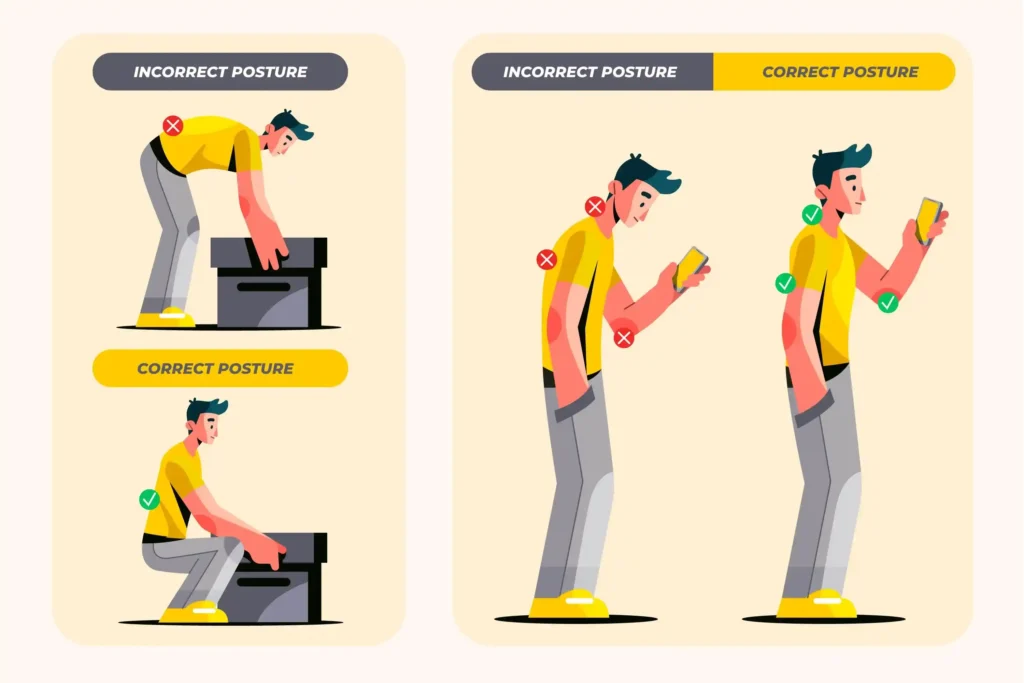
Postural stress is another frequent contributor. Prolonged sitting, forward head posture, or uneven weight distribution places continuous strain on spinal muscles. Over time, this strain disrupts muscle balance and increases the likelihood of spasms during simple movements.
Activity related factors also play a significant role. Lifting, twisting, or sudden changes in activity can overwhelm muscles that are already fatigued or imbalanced. In these situations, spasms may occur even without heavy exertion, especially when spinal mechanics are compromised.
Should You Go To The Chiropractor For A Muscle Spasm?
Deciding whether to seek chiropractic care for a muscle spasm depends on the nature of the spasm and how it developed. Back spasms are often linked to mechanical stress, restricted joint movement, or muscular imbalance rather than serious injury. In these situations, chiropractic care is commonly considered as a conservative option.
Many people asking Can A Chiropractor Help With Back Spasms? are experiencing pain that worsens with movement, posture changes, or prolonged sitting. These patterns usually suggest a functional issue within the spine or supporting muscles. Chiropractic evaluation focuses on identifying these mechanical contributors and determining whether conservative care is appropriate.
Chiropractic care is not intended to override medical judgment. It is designed to support spinal function, reduce muscle guarding, and improve movement efficiency when the spasm is not caused by trauma or systemic disease.
When Chiropractic Care Is Appropriate For Back Spasms
Chiropractic care is appropriate when back spasms develop gradually or appear after postural strain, repetitive movement, or prolonged inactivity. These spasms often reflect muscles responding to joint restriction or uneven spinal loading rather than tissue damage.
Mechanical back spasms usually worsen with specific movements and improve with rest or position changes. Chiropractors assess how spinal joints move under load and how muscles respond during motion. This allows care to target the underlying movement dysfunction instead of masking symptoms.
Non traumatic spasms that limit flexibility or daily activity often respond well to conservative chiropractic care. Treatment focuses on restoring joint motion, reducing abnormal muscle tension, and supporting balanced spinal mechanics. When applied correctly, this approach helps calm muscle overactivity rather than aggravating it.
When You Should See A Doctor First For Back Spasms
Medical evaluation is recommended when back spasms follow a fall, accident, or direct injury. Sudden trauma raises concern for fracture, disc injury, or soft tissue damage that requires medical assessment before conservative care begins.
Spasms accompanied by fever, unexplained weight loss, numbness, weakness, or changes in bowel or bladder function also require immediate medical attention. These symptoms suggest conditions beyond mechanical dysfunction.
Severe pain that does not change with movement or continues to worsen at rest should be evaluated by a doctor. Chiropractic care may still play a supportive role later, but safety requires ruling out serious pathology first.
Choosing between a chiropractor and a doctor is not an either or decision. It depends on symptom presentation, cause, and clinical findings. When back spasms are mechanical and non traumatic, chiropractic care is often an appropriate first step.
| Clinical Situation | Chiropractor Recommended | Doctor Recommended |
|---|---|---|
| Back spasms caused by posture, prolonged sitting, or poor movement mechanics | YES | No |
| Muscle spasms that worsen with movement but ease with rest or position changes | YES | No |
| Recurrent back spasms without a specific injury | YES | No |
| Spasms related to joint stiffness or limited spinal motion | YES | No |
| Back spasms after lifting, bending, or repetitive strain | YES | No |
| Sudden back spasms after a fall, accident, or direct trauma | No | Yes |
| Back spasms with numbness, weakness, or loss of sensation | No | Yes |
| Spasms accompanied by fever, unexplained weight loss, or systemic symptoms | No | Yes |
| Severe pain that does not change with movement or rest | No | Yes |
| Loss of bowel or bladder control with back pain | No | Yes |
| Persistent spasms not improving with conservative care | Supportive role | Yes |
How Chiropractors Treat Back Spasms Safely
Chiropractors manage back spasms by regulating how the nervous system responds to pain signals. Spasms represent involuntary muscle firing controlled by protective neurological pathways. Chiropractic care focuses on calming excessive nerve signaling rather than forcing muscles to relax. Treatment decisions are guided by neurological response, not symptom intensity.
Care is adjusted in real time based on how the body reacts during examination and movement testing. This ensures treatment remains within the patient’s tolerance threshold. For patients asking Can A Chiropractor Help With Back Spasms?, effectiveness depends on neurological control rather than aggressive intervention.
Restoring Motion Without Forcing Injured Muscles
During an active spasm, direct muscle engagement can intensify protective contraction. Chiropractors avoid targeting spasmed tissue during this phase.
Care instead focuses on reducing neurological threat perception. This is achieved by working through non painful movement patterns that signal safety to the nervous system.
As protective signaling decreases, muscle tone begins to normalize naturally. Motion is reintroduced only after involuntary contraction subsides.
This prevents rebound spasms and reduces post treatment flare ups.
Reducing Muscle Spasm By Improving Spinal Mechanics
Once spasms stabilize, chiropractors address biomechanical inefficiencies that contribute to recurrence. These inefficiencies often develop from poor movement sequencing rather than posture alone. Care focuses on improving coordination between spinal regions during everyday tasks. Uneven force transfer increases muscle fatigue and triggers repeat spasms.
By correcting movement timing and load distribution, muscles no longer remain in a constant defensive state. This reduces the likelihood of future spasms. This phase targets prevention rather than symptom suppression.
Exercises For Back Spasms
The following exercises are commonly recommended to help reduce back spasms by improving movement control, flexibility, and muscle coordination. These exercises are gentle, low impact, and focused on restoring normal motion without placing excessive strain on irritated muscles.
Cat Camel Exercise
- Start on your hands and knees with your spine in a neutral position.
- Slowly round your back upward while tucking your chin toward your chest.
- Pause briefly and breathe comfortably in this position.
- Gently lower your spine by lifting your head and allowing your back to arch.
- Move slowly between positions for controlled repetitions.
Pelvic Tilt
- Lie on your back with knees bent and feet flat on the floor.
- Tighten your abdominal muscles without holding your breath.
- Flatten your lower back gently against the floor.
- Hold the contraction briefly, then relax fully.
- Repeat with controlled and steady movement.
Hamstring Stretch
Lie on your back with one leg extended upward.
Support the raised leg behind the thigh or calf.
Keep the opposite leg relaxed on the floor.
Stretch until mild tension is felt without pain.
Hold briefly and switch sides.
Hip Flexor Stretch
- Begin in a kneeling position with one knee on the floor.
- Place the opposite foot forward into a stable lunge stance.
- Keep your torso upright and engage your core gently.
- Shift your hips forward until a stretch is felt in the front hip.
- Hold briefly and repeat on the opposite side.
Bird Dog Exercise
- Start on your hands and knees with a neutral spine.
- Extend one arm forward while extending the opposite leg backward.
- Keep hips and shoulders level during the movement.
- Hold briefly while maintaining steady breathing.
- Return to the starting position and alternate sides.
Chiropractic Care For Back Spasms At Ashburn Village Chiropractic
At Ashburn Village Chiropractic, back spasm care is built around careful evaluation, conservative treatment, and patient safety. Back spasms are approached as a functional problem, not just a painful symptom. Each patient receives an individualized assessment to identify movement restrictions, postural stress, and mechanical factors contributing to muscle guarding.
Chiropractic care is provided by Dr. Jonathan Solomon, who has served the Ashburn community since 2000. Dr. Solomon earned his Doctor of Chiropractic degree cum laude from Life Chiropractic College and is licensed by the Virginia Board of Medicine. With more than two decades of clinical experience, he focuses on precise assessment and controlled care rather than aggressive techniques.
Patients are evaluated and treated by Dr. Jonathan Solomon at every visit. This continuity allows treatment decisions to remain consistent with examination findings and patient response. When imaging is clinically appropriate, the clinic’s on site X ray capability supports accurate evaluation without unnecessary delays.
Ashburn Village Chiropractic serves patients from Ashburn and nearby communities including Dulles, Belmont, Herndon, South Riding, Broadlands, and Loudoun Valley Estates. The clinic’s location allows convenient access to care for individuals experiencing acute or recurring back spasms.
For patients concerned about whether Can A Chiropractor Help With Back Spasms?, care at Ashburn Village Chiropractic emphasizes safety, experience, and conservative management. Treatment is designed to restore movement, reduce spasm recurrence, and support long term spinal health without unnecessary force or risk.
Get a summary of this article with your favorite AI: