
Is Chiropractic Safe For Seniors
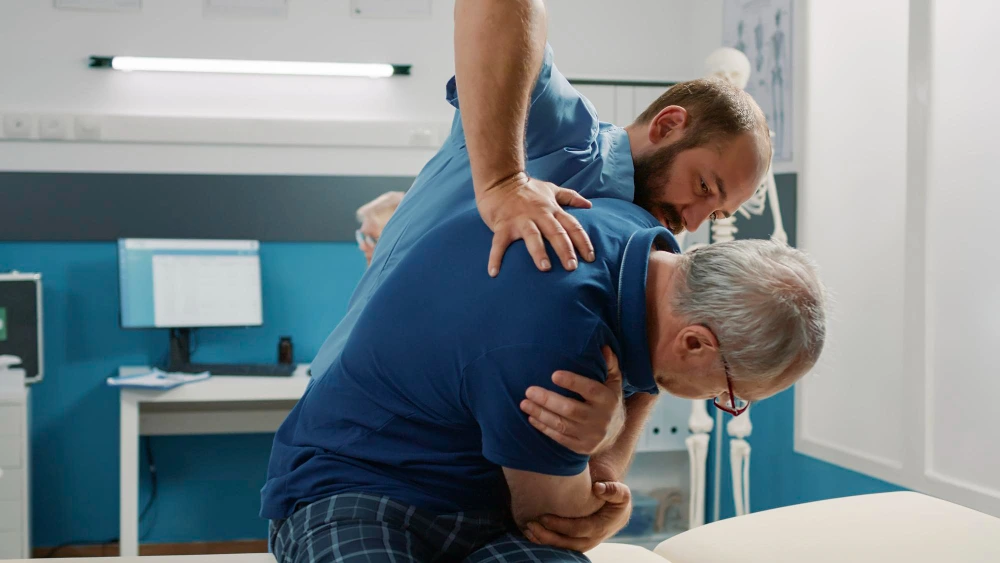
For senior patients, care emphasizes gentle low force adjustments and comfortable supported positions. Treatment plans are tailored for common age related concerns such as arthritis, osteoporosis, and spinal degeneration. Support often includes stretching exercises, soft tissue work, and posture correction to help protect balance and reduce strain. The aim is to help older adults stay active, steady, and as pain free as their health allows. For families who ask Is Chiropractic Safe For Seniors this long standing experience and careful style of care can offer reassurance.
Why Chiropractic Safety Matters For Seniors
In many families, safety is the first question before an older adult tries chiropractic care. Adult children, spouses, and caregivers want to protect bone health, balance, and independence for the person they support.
They may ask Is Chiropractic Safe For Seniors when there is arthritis, osteoporosis, or a history of falls. A fragile spine, thinner bones, and weaker muscles can respond poorly to sudden or excessive force. At the same time, stiffness and pain limit walking, rising from chairs, and simple daily tasks. Safe chiropractic care for seniors must balance relief with protection, using methods that fit age and medical history.
Common Concerns About Aging Bones And Joints
Bone and joint health is a central safety issue for any senior considering chiropractic treatment. Osteoporosis reduces bone density and makes certain parts of the spine more vulnerable to sudden or concentrated force. Advanced arthritis can narrow joint spaces and create bone spurs that already irritate nearby nerves or soft tissues. If force is not adjusted, these structural changes can increase soreness instead of easing long standing pain.
Many older adults also live with a history of fractures, joint replacements, or previous spine surgery. These factors change how much movement is safe in specific areas of the neck or back. A chiropractor must know which regions should be protected and which can tolerate gentle motion.
Medication use adds another layer of concern for seniors. Blood thinning medicines can increase bruising after manual treatment, even when pressure feels light. Long courses of steroids can weaken bone and connective tissue and call for extra caution with any thrust technique.
Balance and coordination issues matter as well. Some seniors feel unsteady when lying down, turning, or sitting up from a treatment table. Safe care for these patients includes slower position changes, extra support, and techniques that do not require rapid movement.
How Existing Health Conditions Affect Manual Care
Chiropractic safety in older adults depends on overall health, not only on spine findings. Heart disease can limit how long a person lies flat or on the stomach. Chest pain, shortness of breath, or a history of heart attack require extra planning. Lung problems such as long standing asthma or chronic bronchitis can make face down positions uncomfortable.
Diabetes may reduce feeling in the feet and legs and can slow tissue healing. Nerve conditions can change balance and coordination when getting on or off the table. Some medicines lower blood pressure and increase the chance of feeling light headed after treatment. Memory problems can make it harder to follow exercise plans without caregiver support. When a chiropractor knows these details, they can adjust visit length, body position, and technique choice. That is one way a careful plan answers the question Is Chiropractic Safe For Seniors for each person.
Gentle Techniques And Modified Adjustments For Older Adults
Chiropractic methods for seniors must deliver benefit while respecting age related changes in bone and joint health. The question “Is Chiropractic Safe For Seniors” is partly answered by how gently each technique is applied. Clinicians adjust body position, contact points, and force level so older tissues tolerate treatment comfortably. Thoughtful modification can allow relief of pain without placing excess strain on fragile structures.
How Chiropractors Adjust Pressure And Position For Seniors
A senior visit often begins with finding positions that feel stable and easy to breathe in.
Many older adults are more comfortable in side lying or supported sitting than flat on the stomach. Pillows, wedges, and adjustable tables can support the head, shoulders, and hips during chiropractic treatment. When an adjustment is used, the chiropractor often selects shorter contacts close to the problem joint. Pressure is introduced gradually so the patient can report any discomfort before the movement is completed. If a movement feels too strong, the chiropractor can reduce the force or shift to gentle mobilization instead.
Low Force And Instrument Assisted Methods Used With Older Adults
Questions about Is Chiropractic Safe For Seniors often focus on how much physical force is used. Some chiropractors use hand held adjusting tools that deliver a brief, controlled impulse to a small area. These tools allow changes in joint motion with less pressure through the hands and arms. Special treatment tables can raise, lower, or give a light assisted movement under the spine. This helps spread the mechanical stress across the table rather than into one spinal segment.
Soft tissue techniques for seniors usually involve slower contact and smaller movements around sensitive muscles. Pressure is increased in small steps so the person can speak up before discomfort builds. These methods aim to keep joints moving and reduce pain while respecting age related changes in bone strength.
Safety Checks During And After Each Treatment
Safety planning continues throughout each visit, not only during the first appointment. Before treatment, the chiropractor confirms current medicines, recent falls, and any new medical diagnoses.
Blood pressure or basic neurologic checks may be repeated when there is a change in symptoms. During care, the chiropractor watches facial expression, breathing, and muscle tension for early signs of strain.
After treatment, seniors are helped to sit and stand slowly to avoid dizziness or loss of balance. Clear instructions explain what level of soreness is expected and which warning signs need timely medical review.
Common Reasons Seniors Seek Chiropractic Care
When families explore Is Chiropractic Safe For Seniors they also want to understand why older adults consider this type of care. Most senior visits begin when everyday activities feel harder, less steady, or more painful than before.
Concerns usually fall into a few patterns that involve pain, stiffness, nerve symptoms, and gradual posture changes. Recognizing these patterns helps families decide when a structured spine focused assessment may be helpful.
Age Related Neck And Lower Back Pain
Many seniors describe neck or lower back pain that builds slowly over months or even years. They may wake with discomfort that improves slightly yet lingers through most of the day. Activities like standing at the sink, preparing meals, or walking in a store start to feel demanding. Some people avoid family events or errands because standing and sitting become tiring very quickly. Chiropractors focus on how the spine moves during these tasks rather than only during a short exam. Care often aims to restore enough motion and control to make regular daily routines feel more manageable.
Spinal Arthritis And Stiffness
Spinal arthritis can limit rotation, bending, and the ability to stand upright for long periods. Older adults may feel a heavy, compressed sensation through the middle or lower back by midday. Mornings often begin with slow, careful movements while the joints adapt after sleep.
Many seniors seek help when stiffness begins to interfere with hobbies, walking plans, or household chores. In these cases, chiropractic care focuses on easing joint restriction while staying within comfortable ranges of motion. The realistic goal is better function for daily life rather than perfect flexibility or dramatic visible change.
Nerve Symptoms Such As Sciatica Or Leg Discomfort
Nerve related problems feel different from simple muscle or joint soreness in the lower back. Seniors may report burning, tingling, or sharp lines of pain that travel from the back into a leg. Symptoms can intensify when standing still in one place or walking longer distances. These patterns may indicate irritation of nerve roots where they exit near the lower spine.
Chiropractors examine strength, reflexes, and sensation to judge whether manual care is suitable in each case. If the findings suggest a more serious nerve issue, medical imaging or specialist input may be advised first.
Posture Changes And Balance Concerns
Posture gradually shifts with age as muscles weaken and long standing habits influence spinal curves. Some seniors notice a forward head position or rounded shoulders when they look at recent photographs. These changes move body weight away from the hips and ankles that normally share most ground contact.
Over time, balance can feel less secure on stairs, curbs, or uneven outdoor surfaces. Seniors may seek chiropractic care when they feel less steady yet still want to remain active and independent. Plans for these patients may combine gentle joint care, simple balance drills, and posture focused exercises in safe positions.
Benefits Of Chiropractic Care For Seniors
Older adults often judge any treatment by whether daily life becomes more manageable. When chiropractic care reduces pain and stiffness, standing, walking, and basic chores can feel less demanding.
Gentle techniques are selected so joints move more freely without placing extra stress on aging tissues. Over time, some seniors notice they can stay on their feet longer before needing to rest. The aim of Chiropractic care is steady, practical gain in comfort rather than quick changes that fade within a few days.
Pain Relief And Easier Everyday Movement
Long lasting pain often leads seniors to limit movement, which can quietly increase stiffness. Chiropractic care focuses on joints and soft tissues that are no longer moving in a healthy pattern. When these areas glide more smoothly, pain during standing, walking, or sitting often becomes less intense. Many older adults then manage short errands, light housework, or indoor walking with fewer pauses. Relief does not need to reach zero for daily routines to feel more achievable. Even a modest drop in pain can shift someone from avoiding activity to joining family plans again.
Support For Mobility Balance And Confidence
Reduced mobility and fear of falling can limit how far seniors are willing to walk from home. Chiropractic care can improve how the spine, hips, and pelvis share load during each step. As motion improves, muscles that guide balance often work more efficiently and with less strain.
Some seniors find they turn more easily, climb stairs with better control, or rise from chairs with less hesitation. These changes gradually build confidence, which is essential for staying active in and outside the home. Greater confidence can also reduce the urge to rush, which is a common factor in household falls.
Gentle Home Exercises That Support Senior Spinal Health
Many seniors want simple ways to keep their spine moving safely between clinic visits.
Gentle home exercises can support strength, balance, and flexibility without placing heavy stress on joints.
These examples focus on comfort, control, and clear points where you should stop if symptoms change.
Used alongside professional guidance, they can also support the broader question Is Chiropractic Safe For Seniors.
Cat And Camel For Comfortable Spinal Motion
Cat And Camel encourages gentle movement through the whole spine in a controlled way.
Purpose
To ease lower back stiffness and help the spine move more freely.
Steps
- Start on your hands and knees with shoulders above wrists and hips above knees.
- Use a mat or padded surface so knees and wrists feel supported.
- Breathe in as you slowly round your back toward the ceiling and gently lower your head.
- Tighten your abdominal and buttock muscles to support the movement without forcing the lower back.
- Hold this rounded position for about five seconds while breathing steadily.
- As you breathe out, slowly let your chest move toward the floor and lift your head.
- Stop when you feel a gentle stretch through the back, not sharp pain or pinching.
- Move between these two positions about five times, keeping your motion slow and controlled.
Safety tips
If kneeling on the floor is difficult, ask a clinician for alternate positions before trying this exercise.
Stop at once if you feel dizziness, strong leg pain, or a sense of spinal instability.
Prayer Stretch For Lower Back Relief
Prayer Stretch can feel comfortable for many seniors because the body rests on legs and arms together.
Purpose
To warm the lower back and hips and reduce feelings of tightness.
Steps
- Begin on your hands and knees with your arms reaching forward on a stable surface.
- Slowly shift your hips back toward your heels while your hands stay in the same place.
- Allow your chest and head to move toward the floor without forcing a deep stretch.
- Stop when you feel a mild comfortable stretch along the lower back or hips.
- Hold this position for about ten seconds, breathing slowly through your nose.
- Return to the starting position with control and repeat several times if it feels helpful.
Safety tips
If kneeling bothers your knees, place extra padding under them or discuss a chair version with a clinician.
Stop if pressure builds in the knees, hips, or lower back rather than easing.
Pelvic Tilt For Core And Lumbar Support
Pelvic Tilt helps many seniors find and practice a supported resting position for the lower back.
Purpose
To strengthen deep abdominal muscles that share work with the lower back muscles.
Steps
- Lie on your back with your knees bent and your feet resting flat on a firm surface.
- Let your shoulders relax so your neck and upper body feel at ease.
- Gently tighten your abdominal muscles as if you are closing a zipper from the pelvis upward.
- At the same time, flatten your lower back lightly toward the surface without lifting the hips.
- Hold this position for about five seconds while breathing in a slow comfortable rhythm.
- Release the effort and allow your back to return to its natural resting shape.
- Repeat the pattern several times, stopping if pain or leg symptoms begin.
Safety tips
If getting to the floor is difficult, this exercise can sometimes be practiced on a firm bed instead.
Avoid holding your breath, especially if you have heart or blood pressure concerns.
Simple Neck And Shoulder Stretches For Posture
Simple neck and shoulder stretches can help seniors hold the head over the chest with less effort.
Purpose
To reduce muscle tension that pulls the head forward and rounds the upper back.
Side neck stretch
- Sit in a stable chair with your feet flat and your hands resting on your thighs.
- Let one arm hang beside the chair so that shoulder relaxes downward.
- Gently tilt your head away from the relaxed shoulder until you feel a light stretch on the side.
- Hold for about fifteen seconds while breathing slowly, then return your head to the center.
- Repeat on the other side, staying within a range that feels steady and comfortable.
Upper back and shoulder stretch
- Sit tall and gently bring your hands together behind your head without pulling on the neck.
- Let your elbows move slightly forward so you feel a mild stretch between the shoulder blades.
- Hold for ten to fifteen seconds, then release your arms and rest for a moment.
Safety tips
Stop any neck stretch at once if you feel dizziness, vision changes, or pain that travels into the arm.
If balance is uncertain when standing, perform these stretches seated in a chair with armrests.
Senior Chiropractic Care At Ashburn Village Chiropractic
Ashburn Village Chiropractic has served the Ashburn community for more than twenty years. The clinic focuses on personalized chiropractic care for pain and mobility problems. Every patient sees Dr Jonathan Solomon at each visit, which gives seniors consistent guidance from someone who knows their history.
Dr Jonathan Solomon has provided chiropractic care in Ashburn since 2000. He is licensed by the Virginia Board of Medicine and is nationally board certified in chiropractic care. His approach looks at the whole person, including posture, daily activities, and existing health conditions, not only the painful area.
Get a summary of this article with your favorite AI: